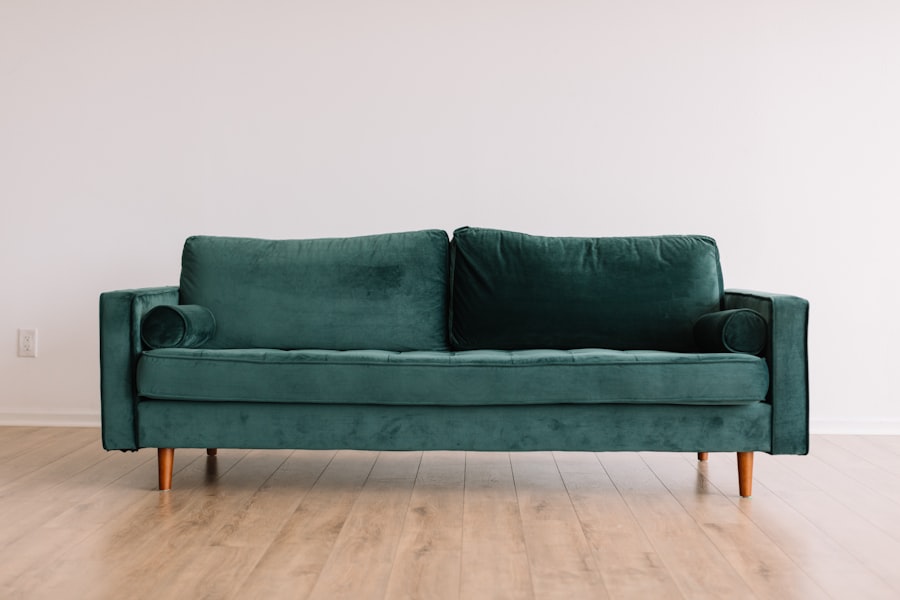
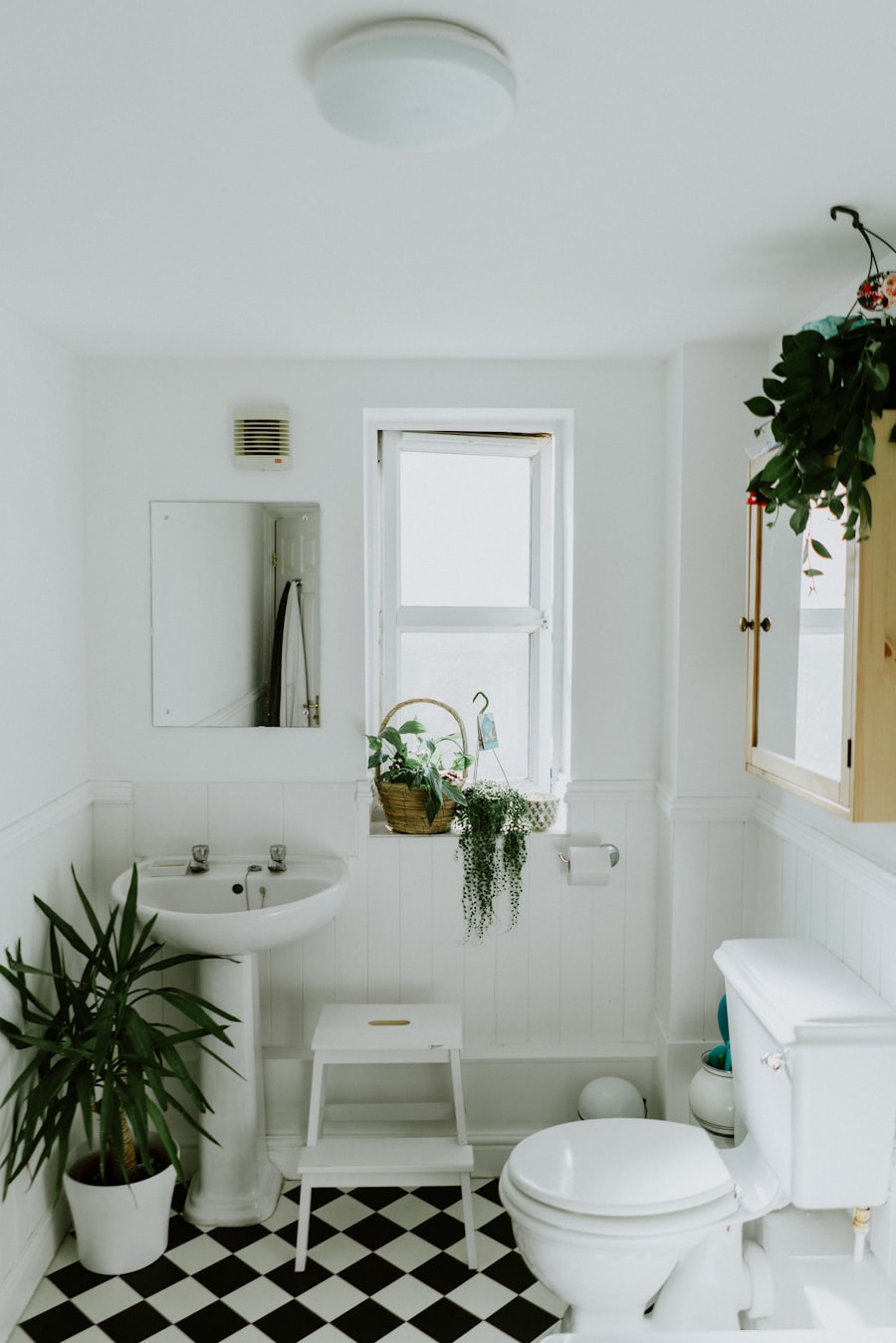
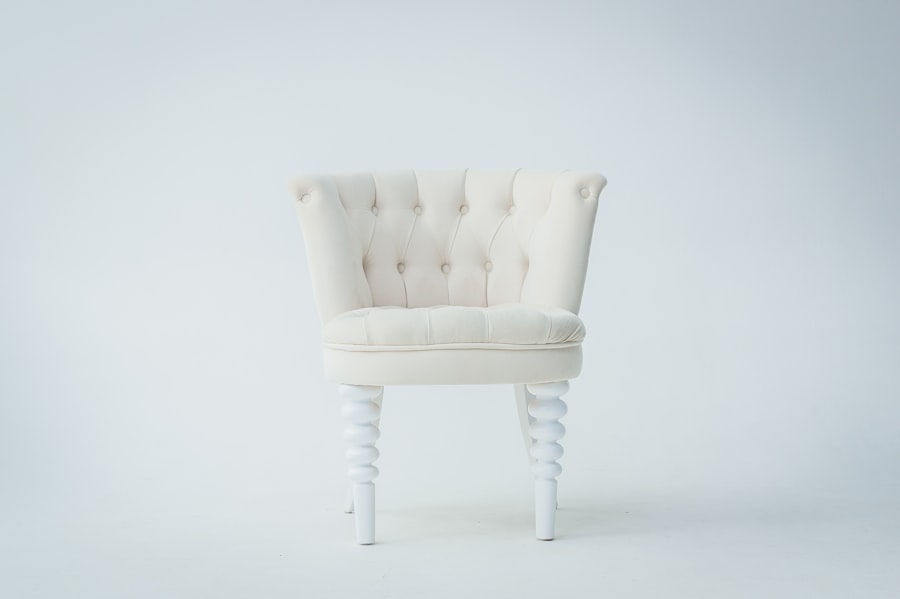
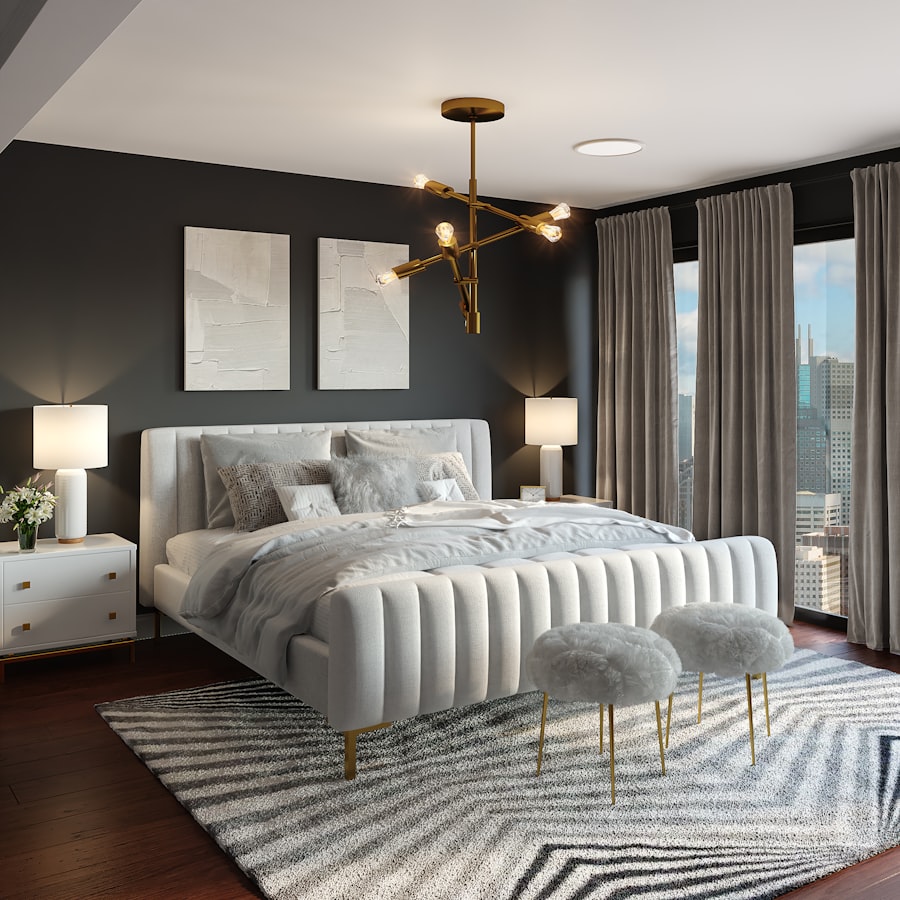
Serene bedroom with soft linens and warm ambient lighting

    Bedroom Design

    Your personal sanctuary — designed for rest, renewal, and quiet luxury

    "
    The bedroom should be the quietest room in your home — visually, acoustically, and emotionally. Design it to do one thing exceptionally well: let you rest.
    The Complete Guide

    Everything you need to know about bedroom design

    Sleep research consistently shows that your bedroom's physical environment directly shapes sleep quality, morning mood, and long-term wellbeing. Bedroom design is therefore not just an aesthetic exercise — it is an investment in your health. The best bedrooms function as calibrated environments: cool in temperature, controlled in light, quiet, and visually calming in every direction you look.

    Color is the most powerful tool in bedroom design. Cool neutrals — soft whites, pale grays, sage greens, and dusty blues — lower psychological arousal and make it easier to unwind after demanding days. Warm, saturated colors do the opposite. This does not mean your bedroom must be stark; it means the palette should be deliberately restrained, with bolder accents used sparingly as focal points that add character without overstimulating the nervous system before sleep.

    Storage is the unseen foundation of a calm bedroom. Visible clutter — clothes on chairs, nightstands stacked with chargers and books, floor space consumed by shoes — creates ambient anxiety that quietly undermines rest even when you think you have tuned it out. Investing in smart, concealed storage is not a luxury upgrade; it is the single most effective intervention most people can make to improve how their bedroom actually feels every day.

    Serene bedroom designed for optimal sleep with blackout curtains and calm palette
    01 / Bedroom Design

    Designing the Room Around Sleep

    The starting point for any bedroom redesign should be a simple audit: what in this room is actively working against sleep? Blue-spectrum light from screens, visible clutter that signals unfinished tasks, a color palette that stimulates rather than soothes — these environmental factors compound quietly over months and years, degrading sleep quality without ever appearing on an obvious list of causes.

    Darkness is the most powerful single intervention available. Complete darkness — not dim, not 'pretty dark,' but fully light-eliminating — meaningfully improves sleep quality across virtually every study that has measured it. Blackout curtain linings, blackout roller shades, or custom blackout Roman shades all achieve this. Layer a sheer or light-filtering panel in front of them and you have a window system that functions beautifully at every light condition throughout the day.

    Temperature ranks second. A bedroom that holds heat makes sustained sleep genuinely difficult. Ceiling fans, breathable natural-fiber bedding, and a thermostat set between 65 and 68°F at night create the thermal environment that sleep architecture depends on. These are not preferences — they are the basic environmental conditions the body needs to move through sleep cycles correctly.

    Well-organized bedroom with concealed storage keeping surfaces clean
    02 / Bedroom Design

    Smart Storage That Keeps the Room Calm

    There is a direct psychological link between visual disorder and physiological arousal. Clutter in a sleep environment — clothes on chairs, flat surfaces buried in objects, shoes scattered across the floor — signals to the brain that tasks are unfinished and require attention. That signal runs continuously at low volume, throughout the night.

    The goal of bedroom storage design is to make visible clutter structurally impossible rather than relying on daily willpower to prevent it. This requires more storage than you think you need, positioned precisely where the clutter actually accumulates. A double wardrobe with internal organization for clothes; a dedicated charging station outside the bedroom for devices; drawers in the bed base for bedding and seasonal items; a bedside cabinet with a door rather than open shelves to contain the accumulation that naturally happens at the bedside.

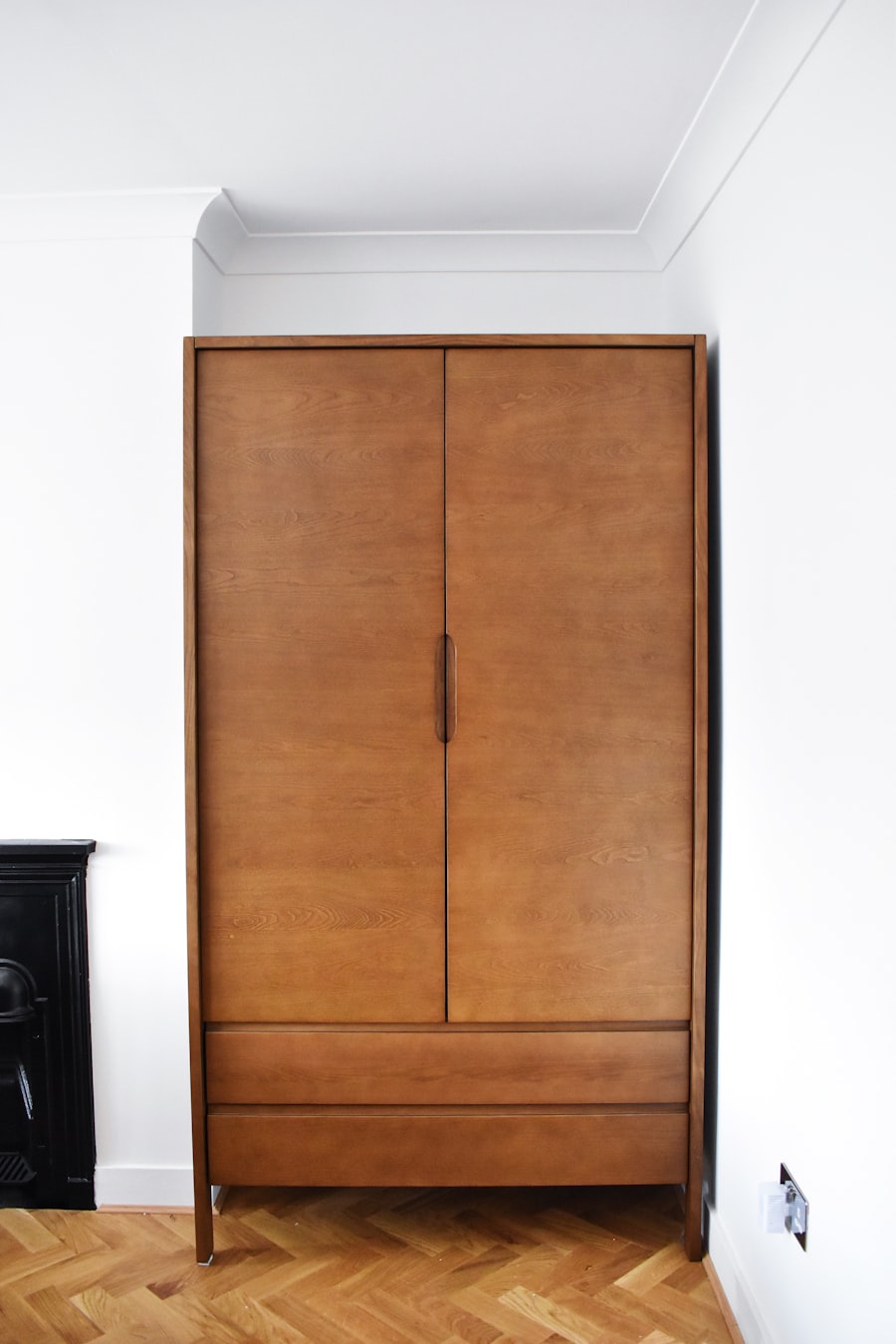
    Built-in wardrobes are the most efficient use of bedroom space by a significant margin. Custom floor-to-ceiling wardrobes on one wall provide more storage per square foot than any freestanding combination and make the room look larger rather than more cluttered. The investment pays back in daily calm that is difficult to quantify but immediately noticeable once experienced.

    Bedroom with calming color palette in muted sage and warm neutrals
    03 / Bedroom Design

    Color, Light, and the Palette That Promotes Rest

    Bedroom color psychology has been studied extensively and the findings are consistent: cooler, lower-saturation hues — pale blues, soft greens, warm grays, quiet whites — correlate with faster sleep onset and better self-reported sleep quality. Warmer, more saturated colors produce the opposite effect. This is not about personal taste; it is about the physiological response to light wavelengths reflected off surfaces throughout the night.

    This does not mean your bedroom needs to be a sterile white box. The restraint applies to the dominant palette — walls, bedding, large upholstered surfaces. Within that calm foundation, you have complete freedom to add personality through texture, artwork, plants, and carefully chosen accent pieces. A warm brass lamp against pale sage walls reads as personal and warm without raising the room's ambient stimulation level.

    Lighting color temperature matters as much as color palette. Warm-white LED bulbs at 2700 to 3000K produce light that mimics sunset and signals to the brain that evening is approaching. Cool-white bulbs at 4000K and above do the opposite. Replace every bulb in the bedroom with warm-white equivalents, add a bedside dimmer, and the room's lighting alone will begin supporting rather than fighting your body's natural sleep rhythm.

    Foundational Knowledge

    Design principles for bedroom design

    Optimize for Darkness
    01

    Optimize for Darkness

    Blackout curtains or Roman shades with blackout lining are the most impactful sleep upgrade in any bedroom. Layer with sheer panels for daytime privacy and light diffusion. Your brain associates darkness with sleep — make the room support that signal.

    Choose a Calming Color Palette
    02

    Choose a Calming Color Palette

    Cool neutrals and muted tones lower physiological arousal. Use bolder colors in small doses — a throw blanket, a single art piece, accent pillows — to add personality without overstimulating the space you are trying to wind down in.

    Invest in the Bed Itself
    03

    Invest in the Bed Itself

    The bed is the anchor and the visual focal point of every bedroom. A quality frame, a well-chosen headboard, and properly scaled bedside tables make everything else fall into place. This is never the place to cut the budget.

    Actionable Advice

    Pro tips for bedroom design

    01

    Mount Your Bedside Lamps

    Wall-mounted swing-arm sconces free up nightstand surface and position reading light exactly where you need it — far more functional than table lamps competing for limited tabletop real estate.

    02

    Layer Your Bedding

    Start with a fitted sheet, add a top sheet, then a duvet or comforter, then a lightweight throw at the foot. Layers let you adjust to temperature changes through the night without fully waking.

    03

    Charge Devices in Another Room

    Phones charged outside the bedroom, no TV on the wall, blue light banned after 9pm. These are the simplest interventions available and consistently produce the highest sleep-quality returns.

    04

    Hang Art at Resting Eye Level

    Standard gallery height is 57 inches center from the floor — calibrated for standing. In a bedroom, drop art 6 to 10 inches lower so it reads correctly from the pillow, not from standing at the foot of the bed.

    05

    Create a Dedicated Getting-Ready Zone

    A vanity with good lighting keeps the main bedroom from becoming a dressing room staging area. Even a small floating shelf with a mirror establishes this separation and preserves the calm of the primary sleep space.

    Keep Exploring

    More room categories