
Design your space.
Shape how you live.
Expert-backed principles for every room — from your first apartment to your forever home.
500+
Design Guides
6
Room Categories
12
Core Principles
∞
Better Rooms Ahead
Design by room
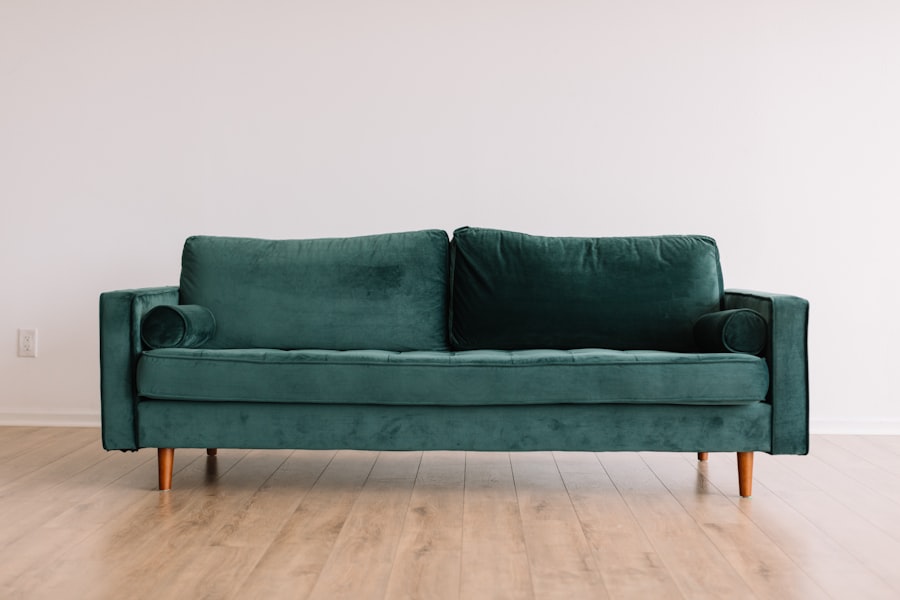

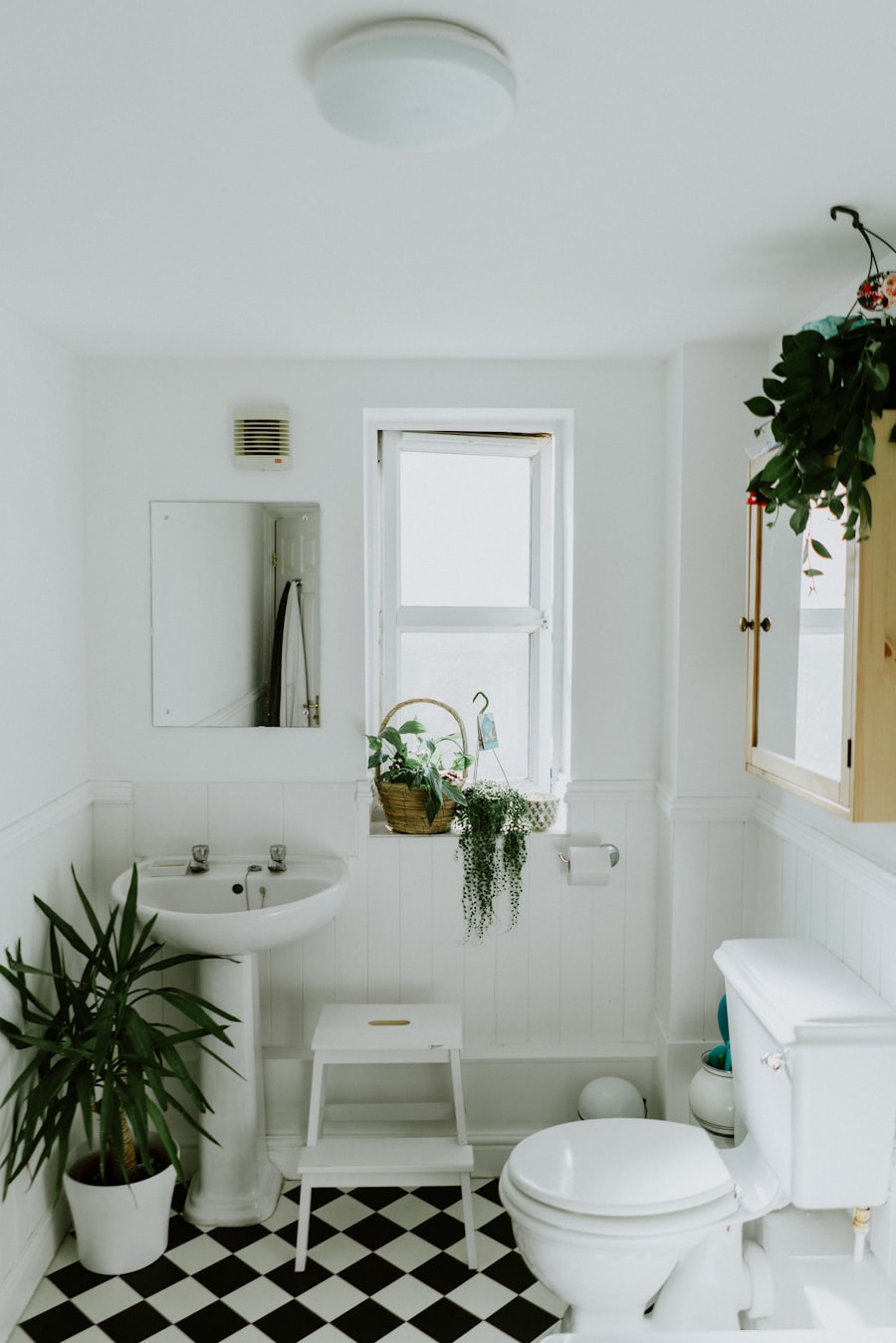
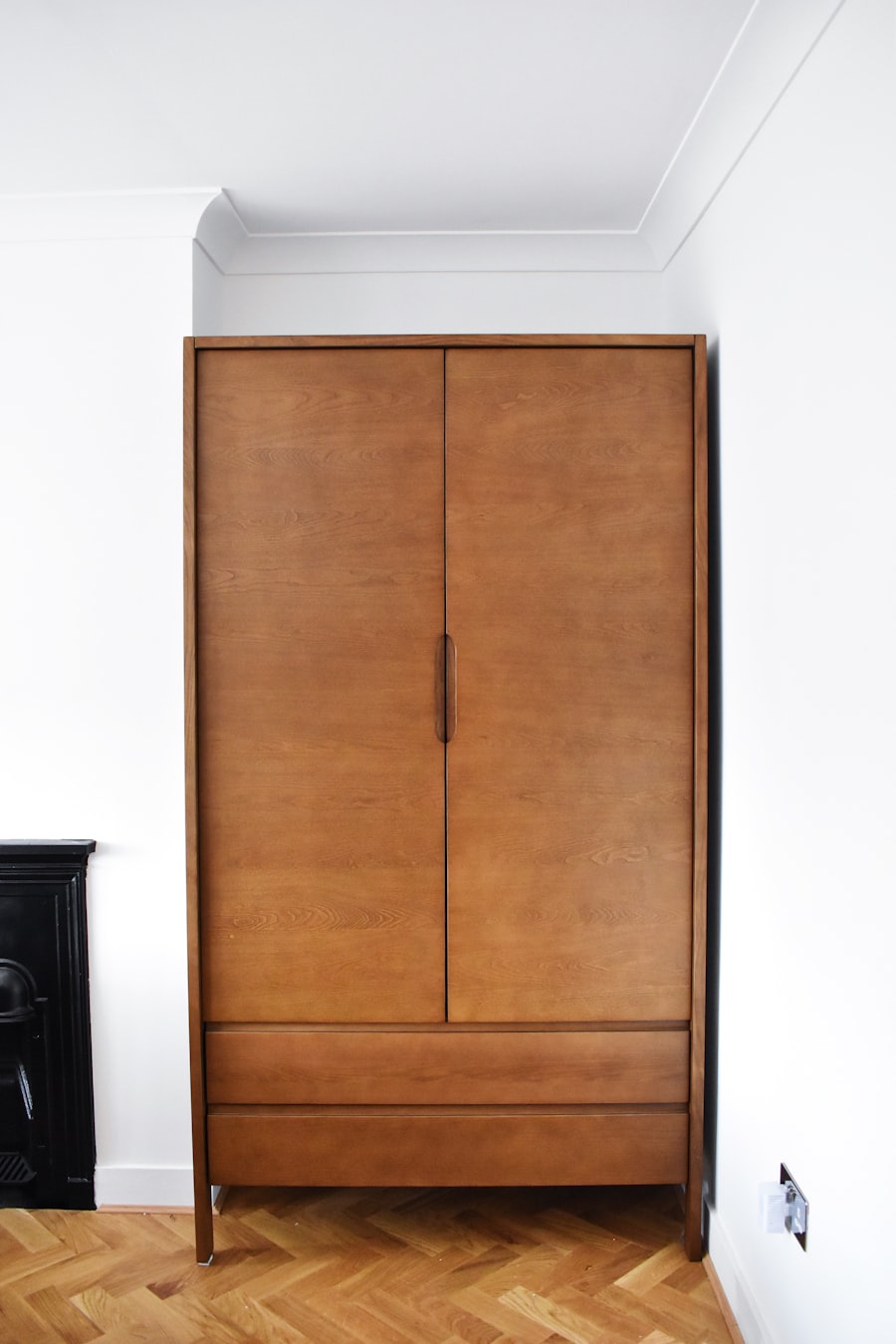
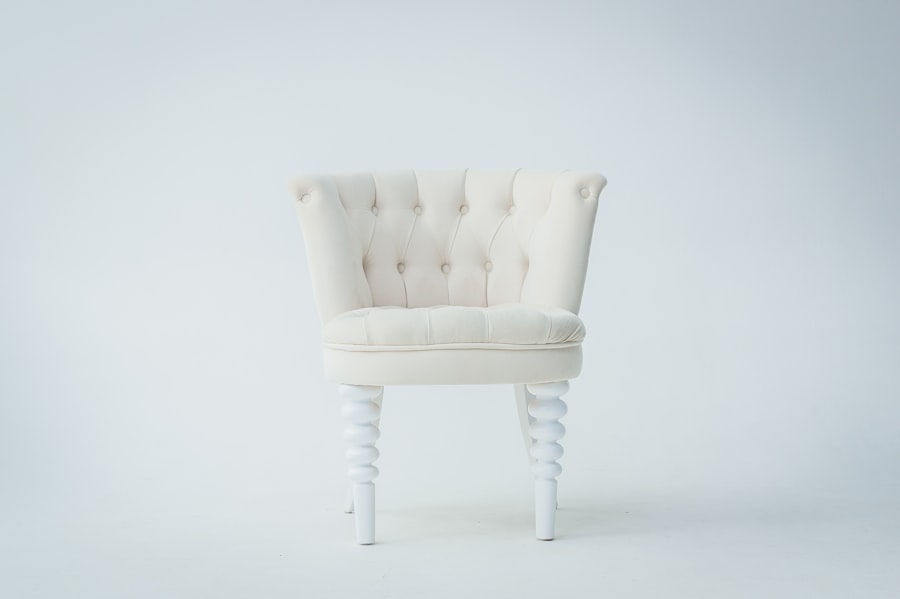
The homes you love aren't built with money. They're built with intention.— DreamHomesDecors Design Principle
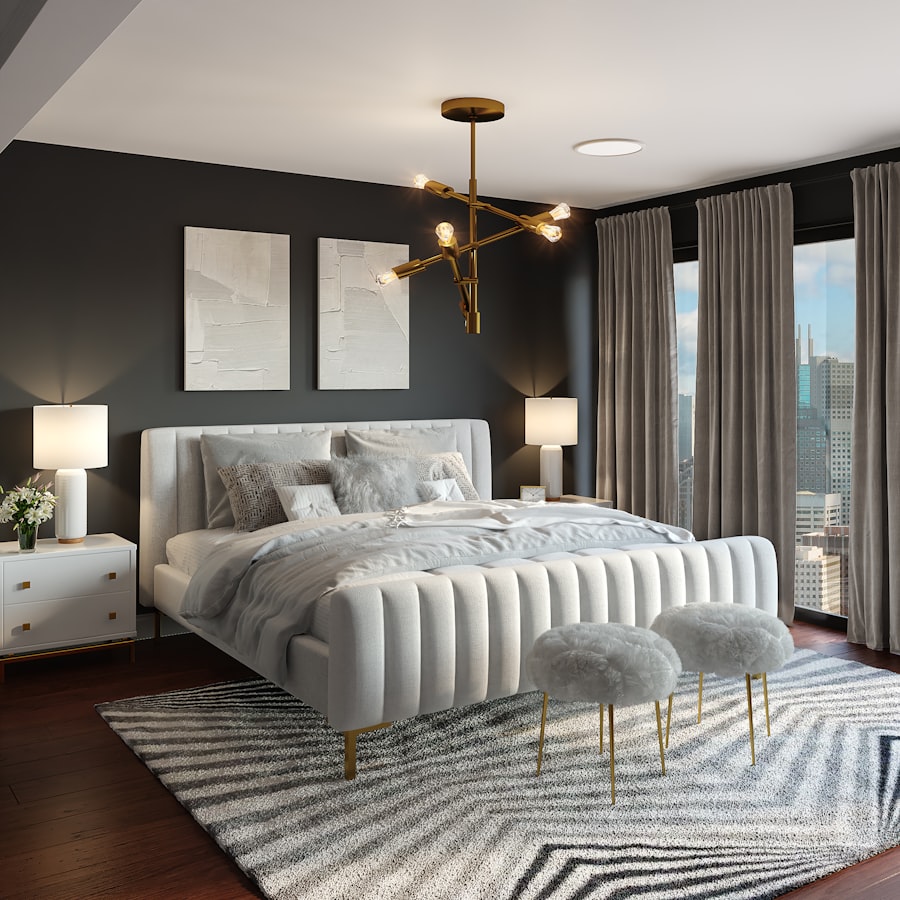
6 rooms. One set of principles.
See howWhy the rooms you love all feel the same way
Most home design advice is about products. Buy this sofa, hang this wallpaper, install this tile. But the homes that feel genuinely beautiful — the ones you remember — are rarely built with expensive things. They're built with deliberate decisions.
Scale, proportion, layered lighting, and material contrast are the invisible architecture of every room that works. They're not trends. They're the underlying principles that govern why spaces feel comfortable, why they photograph well, and why you want to stay in them longer than you planned.
Every guide on DreamHomesDecors is built on these principles first. Whether you're redesigning a master suite or refreshing a rental kitchen, understanding why great rooms work gives you a toolkit that applies to any space, any budget, any direction.
Guides worth reading first
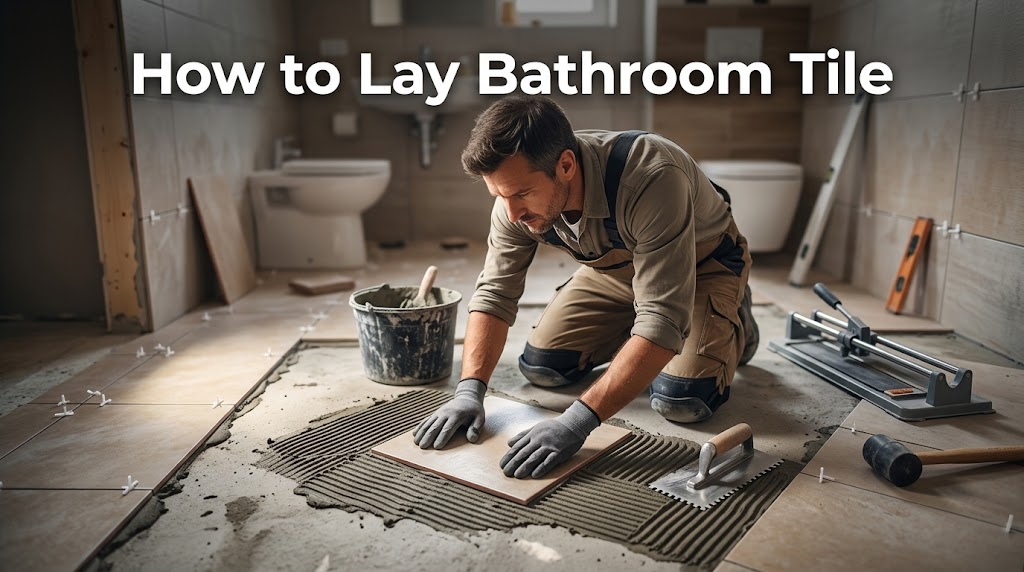
How to Lay Bathroom Tile: A Step-By-Step Friendly Guide
Laying bathroom tile seems daunting until you break it down into a sequence of deliberate steps. This beginner-friendly guide walks you through every stage from subfloor prep to grouting.
Read article
How to Choose Bathroom Tiles
To choose bathroom tiles, start by matching the tile type to the surface, then get the size right, pick a finish that handles moisture, and choose a color you will still like in five years.

Modern Bathroom Tile Design Ideas for a Perfectly Finished Look
Modern bathroom tile design has moved well beyond white subway tile. These twelve tile styles cover the full range of what works in a bathroom — from understated mosaic textures to bold 3D statement walls.
5 rules every well-designed room follows
These aren't stylistic preferences. They're the patterns that consistently separate rooms people love from rooms that merely exist.
Apply them in our guidesScale before style
Get the furniture proportions right first. A rug too small, a sofa too large — these mistakes undo everything else you do well.
Three-source lighting
Ambient, task, and accent. One ceiling fixture is not a lighting plan. Layer your sources and put them on dimmers.
One hero piece per room
A single outstanding object does more than a dozen forgettable ones. Buy fewer things. Buy better things.
Texture contrast everywhere
Mix smooth, rough, and woven. Texture contrast is what stops a well-edited room from feeling flat and one-dimensional.
Edit more than you add
When a room feels off, remove something. The answer is almost never to add more — it's to take something away.
Latest articles
How to Lay Bathroom Tile: A Step-By-Step Friendly Guide
Laying bathroom tile seems daunting until you break it down into a sequence of deliberate steps. This beginner-friendly guide walks you through every stage from subfloor prep to grouting.
ReadHow to Choose Bathroom Tiles
To choose bathroom tiles, start by matching the tile type to the surface, then get the size right, pick a finish that handles moisture, and choose a color you will still like in five years.
Modern Bathroom Tile Design Ideas for a Perfectly Finished Look
Modern bathroom tile design has moved well beyond white subway tile. These twelve tile styles cover the full range of what works in a bathroom — from understated mosaic textures to bold 3D statement walls.
Get Design Inspiration Delivered
Join our newsletter for weekly home decor ideas, expert tips, and curated inspiration straight to your inbox.