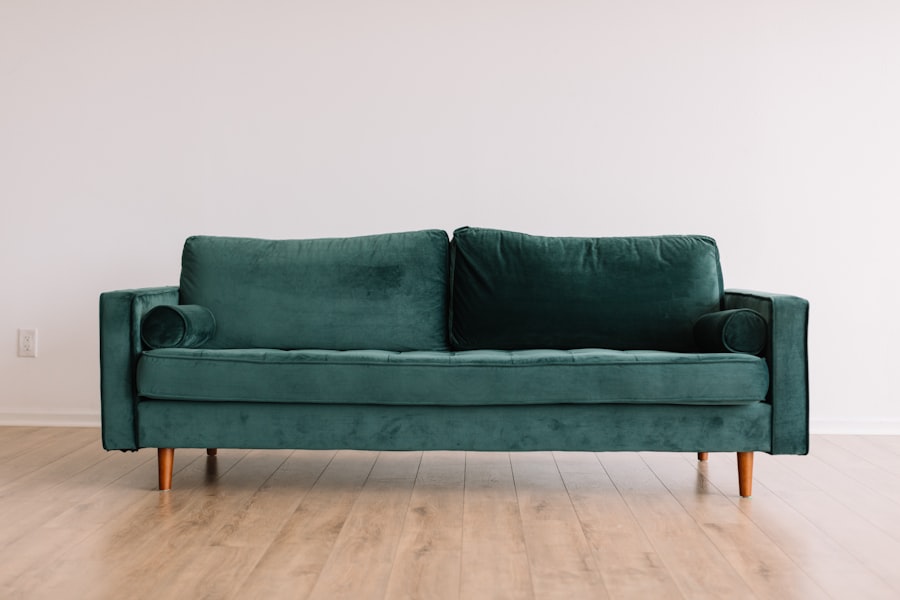
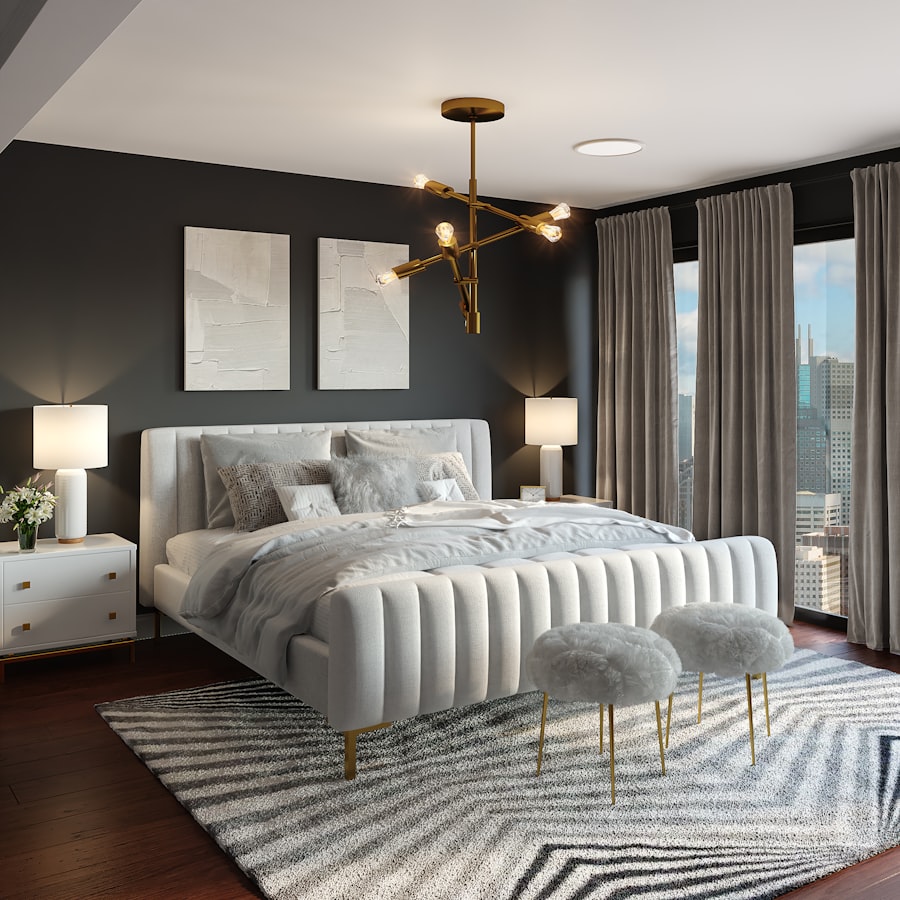
Elegant living room with neutral tones and natural light

    Living Room Ideas

    Where comfort meets style — and every gathering becomes a memory

    "
    The best living rooms balance openness with intimacy — enough space to move freely, enough warmth to want to stay.
    The Complete Guide

    Everything you need to know about living room ideas

    The living room carries more design weight than any other room in your home. It is where first impressions are made, where families decompress at the end of long days, and where your personal aesthetic gets its clearest expression. Getting it right is less about chasing trends and more about understanding the principles that make a space feel both beautiful and genuinely livable.

    Successful living room design begins with scale. Too many people buy sofas and chairs that fight each other — pieces that are either too large for the footprint or so small the room feels disconnected and cold. The foundation is always a well-proportioned seating arrangement anchored by a rug large enough to tie the pieces together. From that foundation, every other decision becomes dramatically easier.

    Lighting is the invisible force that separates a good living room from a great one. A single overhead fixture creates flat, unflattering light. The rooms you find yourself lingering in almost always layer three sources: an ambient light for the whole room, task lighting near reading spots, and accent lamps that add warmth and visual depth. Master these fundamentals and your living room will always feel like somewhere worth staying.

    Living room with well-proportioned furniture arrangement
    01 / Living Room Ideas

    Getting Your Furniture Layout Right

    Furniture arrangement is where most living room designs fail. The instinct to push everything against the walls — leaving an empty center and isolated seating — produces a room that feels like a waiting room rather than a space designed for conversation and connection. The fix is counterintuitive: pull everything inward.

    Create a conversation zone by floating your sofa 12 to 18 inches from the wall and positioning chairs across from it, angled slightly inward. The space between facing pieces should be 6 to 8 feet — close enough for comfortable conversation without shouting. A rug under the front legs of all major pieces ties the grouping together and defines the zone clearly.

    In larger rooms, use two distinct seating areas rather than spreading one arrangement across the space. A primary conversation group near the focal point and a smaller secondary area near a window or bookcase creates a room that functions at different scales — for two people reading quietly and for a room full of guests alike.

    Living room with layered warm lighting creating ambient atmosphere
    02 / Living Room Ideas

    Layering Light for Every Mood

    The difference between a living room that feels flat and one that feels warm and dimensional comes down almost entirely to lighting. Single-source overhead light — one ceiling fixture or recessed cans on one circuit — creates uniform, shadowless illumination that strips depth from a room the same way flash photography does.

    The approach that works is layering three distinct sources on separate controls. An ambient source establishes the room's general light level. Task lighting at reading spots — floor lamps beside chairs, table lamps on end tables — creates pools of warmth that draw the eye to seating areas. Accent lighting — small lamps on consoles, sconces on walls, picture lights above art — adds the glow that makes a room feel intimate rather than institutional.

    The key ingredient is the dimmer. Every circuit in a living room should be dimmable. At full brightness during the day the room is functional; pulled down in the evening with only the accent sources on, the same room transforms entirely. This one investment costs almost nothing and returns dividends every time someone enters the room after dark.

    Living room with varied textures — linen, wood, and natural fiber
    03 / Living Room Ideas

    Building with Texture and Natural Materials

    Color is what most people think about first, but texture is what the room actually feels like — and what photographs tell only half the story of. A room with a flat, monochromatic palette can feel rich and layered if the materials provide enough contrast. A room with beautiful colors and one texture throughout always reads as flat, regardless of how carefully the palette was chosen.

    The rule is three textures minimum: something smooth like leather or velvet, something loose and natural like linen, jute, or unfinished wool, and something with visible pattern like a printed textile or woven throw. These do not need to match — in fact, they should not. The tension between a sleek velvet sofa and a rough jute rug is exactly what makes a room feel considered rather than catalog-assembled.

    Natural materials — solid wood, genuine leather, natural-fiber textiles — add a permanence and sensory quality that synthetic alternatives simply do not replicate. A solid oak coffee table and a wool area rug do not just look different from their particleboard and polyester equivalents; they feel different underfoot and in the hand, and they age in ways that improve their appearance rather than degrading it.

    Foundational Knowledge

    Design principles for living room ideas

    Scale & Proportion First
    01

    Scale & Proportion First

    Before colors or finishes, nail the furniture scale. A rug that is too small is the single most common living room mistake — the front legs of every key seating piece should sit on it. Get proportions right and everything else falls into place.

    Layer Your Lighting
    02

    Layer Your Lighting

    Three light sources minimum: ambient overhead, task lighting for reading zones, and accent lamps for warmth. Dimmer switches on every circuit transform a room from daytime functional to evening intimate. This single change costs little and pays back constantly.

    Anchor with a Focal Point
    03

    Anchor with a Focal Point

    Every great living room has one dominant focal point — a fireplace, a feature wall, a dramatic art piece. Arrange furniture to acknowledge it and every seating position will feel deliberate rather than randomly placed.

    Actionable Advice

    Pro tips for living room ideas

    01

    Size Up Your Rug

    The ideal living room rug should be large enough for all front sofa and chair legs to rest on it. An 8x10 is the minimum for most rooms; 9x12 is often the sweet spot. A rug that is too small makes the entire room look and feel smaller.

    02

    Float Your Furniture

    Pull seating 12 to 18 inches away from the walls. Floating a sofa off the wall immediately makes a room feel larger and more intentional. This is the most common correction made on design shows — for good reason.

    03

    Use Odd Numbers in Groupings

    Group decorative objects in threes and fives. Two items fight for visual dominance; three create harmony. This applies to throw pillows, vases, and art arrangements alike.

    04

    Control Natural Light

    Sheer curtains diffuse harsh afternoon sun while keeping rooms bright. Mount curtain rods 4 to 6 inches above the window frame and let panels extend fully to the floor for a tailored, elongated effect.

    05

    Mix at Least Three Textures

    Include something smooth like leather or velvet, something loose and natural like linen or jute, and something with visual pattern. Texture contrast is what prevents a well-edited room from feeling flat and one-dimensional.

    Keep Exploring

    More room categories