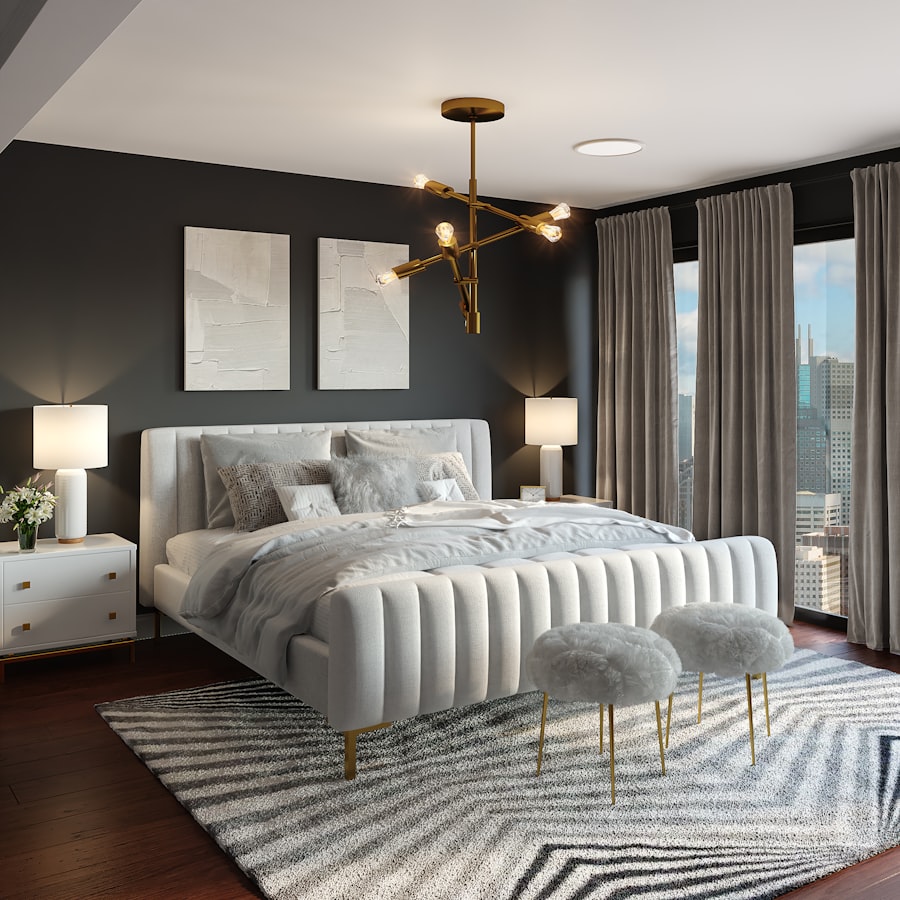
Modern Decor
From mid-century warmth to Japandi calm — find the aesthetic that is authentically yours
Modern decor at its best is not about minimalism for its own sake — it is about ensuring that everything in a room is there for a reason, and that reason is visible in how the space feels to be in.
Everything you need to know about modern decor
Modern decor is not a single style — it is a family of related design philosophies united by a rejection of ornate excess and a shared commitment to intentional living. Understanding the distinctions between these approaches — and what connects them at a deeper level — is the key to creating spaces that feel coherent and personally meaningful rather than trend-chasing and disposable.
Mid-century modern, Scandinavian, Japandi, and industrial design all share a reverence for quality materials and honest construction. In a mid-century modern room, walnut veneer and molded fiberglass are celebrated for exactly what they are. In a Japandi interior, natural linen and rough-surfaced ceramic are given prominence because they show their material nature without any pretense. This material honesty is what gives modern spaces their sense of visual calm and what separates them fundamentally from their more ornate counterparts.
The practical challenge of designing in any modern style is restraint. Every piece added to a space should justify its presence — either functionally, aesthetically, or ideally both. This does not mean modern rooms need to be sparse or cold; it means the selection process should be more deliberate and more patient. A single genuinely great chair, well-placed in a room, transforms the entire space. Twelve mediocre accessories do the opposite. Modern decor rewards patience, curation, and the willingness to live with less until exactly the right piece appears.

Understanding the Styles and What Connects Them
Mid-century modern, Scandinavian, Japandi, and industrial design look different on the surface — different materials, proportions, and color references — but they share a fundamental philosophy: that the function of an object should be readable in its form, and that materials should be used honestly rather than decorated to appear as something they are not. This shared foundation is why these styles mix so naturally and why rooms that draw from multiple traditions within this family still feel coherent.
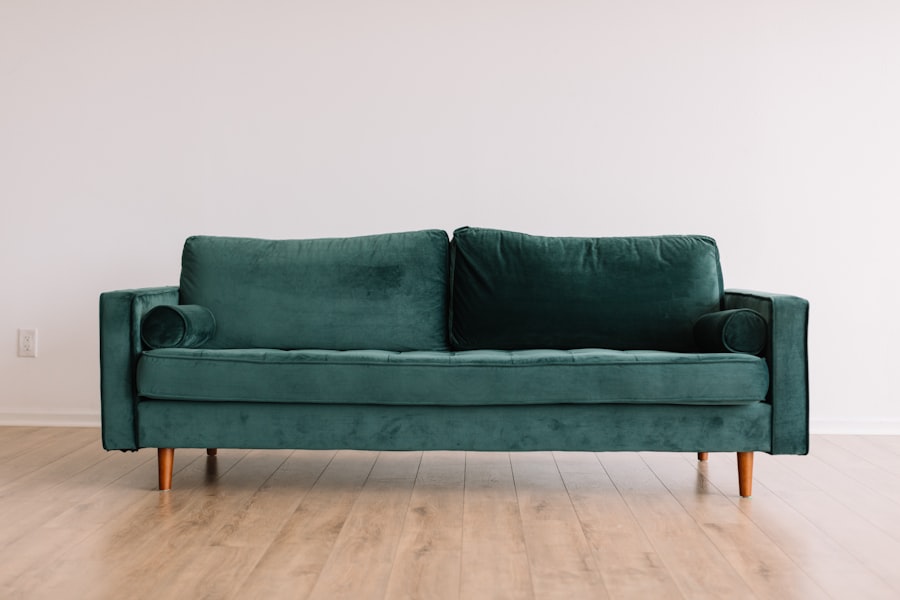
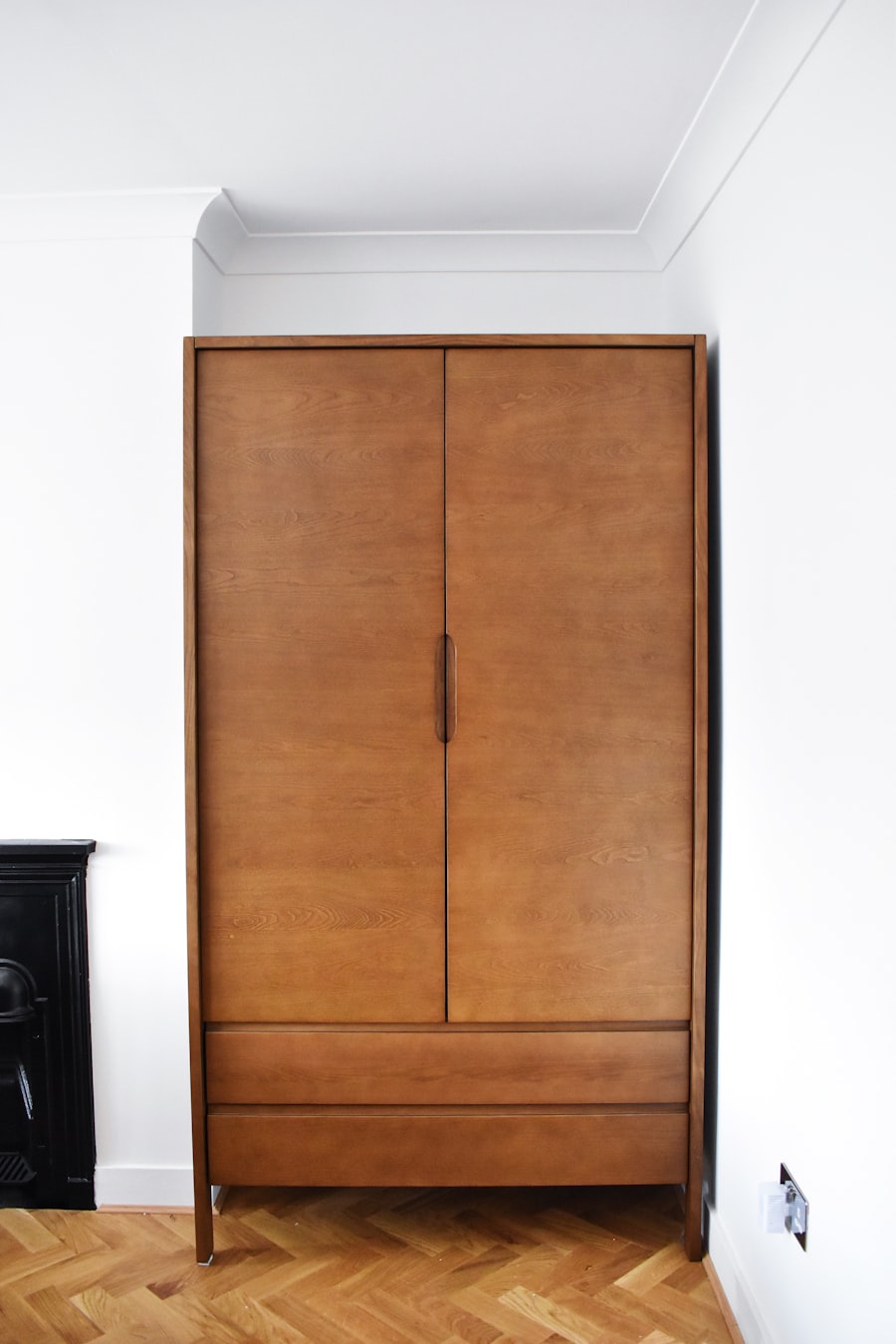
Mid-century modern, anchored in the postwar American design movement of the 1940s through 1970s, celebrates organic forms, warm woods including walnut and teak, and the honest expression of industrial materials like molded plywood and fiberglass. Its signature is the productive tension between organic curves and functional discipline — chairs and tables that look like sculpture but work exactly as they should.
Japandi — the increasingly influential hybrid of Japanese and Scandinavian design — brings together Japanese wabi-sabi, the acceptance of imperfection and impermanence, and Scandinavian hygge, warmth and wellbeing. The resulting aesthetic is restrained but warm, minimal but not sparse, with a deep appreciation for natural materials in their least processed form: rough linen, unglazed ceramic, raw wood grain.

Building a Material Palette That Lasts
Material selection is where modern interiors succeed or fail at the tactile level. A room can have perfect proportions and an ideal color palette but feel wrong because the materials are inauthentic — wood-look vinyl where solid wood was called for, leather-look polyurethane where genuine leather would have aged beautifully, stone-effect porcelain where real concrete would have brought presence and weight.
The modern design vocabulary depends on materials that do what they appear to do and age in ways that reflect real use. A solid oak floor gains character with every year of living; its engineered equivalent does not. Genuine leather develops a patina that tells the story of the chair; bonded leather cracks and peels. Understanding this difference — between materials that age beautifully and materials that simply wear out — is fundamental to building interiors that improve over time.
A useful approach is to identify three material anchors for any room before making other decisions: the floor material, the dominant textile, and the primary accent material — a metal finish, a stone surface, or a natural fiber. Deciding these three first, in that order, makes every subsequent material choice a matter of coordination rather than an open creative problem.

The Edit: How Less Actually Becomes More
The most common misconception about modern design is that it requires significant budget spent on a few expensive pieces. Some of the most beautiful modern interiors are built on secondhand furniture, vintage finds, and mass-market basics — what makes them work is not budget but curation. The discipline to choose carefully, to live with less, and to resist filling space simply because space exists is available at any price point.
The practical discipline of editing a modern room works like this: every item in a space should be able to answer the question 'why are you here?' with either a functional answer or an aesthetic one. Items that cannot answer either question are candidates for removal regardless of their cost. This framework applies on move-in and then again every six to twelve months as the room accumulates the natural drift of daily living.
The rooms that consistently look and feel the best — in photographs and in person — are the ones where the editing was done most honestly. A sofa, a coffee table, a single floor lamp, and one piece of meaningful art on an otherwise clear wall creates more visual impact than a room packed with furniture and accessories at double the cost. The empty space is not absence — it is the breathing room that makes what remains significant.
Design principles for modern decor

Form Follows Function
Every piece in a modern interior should earn its place. Decorative objects work best when they also serve a purpose — a beautiful bowl that holds fruit, a sculptural lamp that provides real illumination, a coffee table book that people in the room actually read.

Let Materials Be Honest
Real wood, genuine leather, natural stone, and honest textiles age beautifully and gain character over years. Avoid materials that pretend to be what they are not — modern aesthetics depend on authenticity at the material level, and substitutes tend to reveal themselves quickly.

Negative Space Is an Active Element
The empty space in a modern room is as intentional as the filled space. A bare wall is not a decorating failure — it is visual breathing room that makes the art or furniture beside it significantly more powerful. Resist the reflexive urge to fill every surface.
Pro tips for modern decor
Choose One Hero Piece Per Room
A single outstanding piece — a genuine mid-century lounge chair, a hand-thrown ceramic lamp, a large-scale art print — anchors a modern room more effectively than a collection of smaller items at a similar combined cost. Save budget for the one thing that genuinely matters.
Commit to Three Colors Maximum
A dominant neutral, a secondary tone, and one accent color. Modern interiors rarely exceed this constraint, and the restraint is precisely what makes them feel composed and intentional rather than visually busy.
Settle the Floor First
Flooring sets the tone for every decision in a modern interior. Polished concrete, wide-plank white oak, or large-format matte tile — resolve the floor material before committing to any other finish decisions, as it informs everything above it.
Edit Relentlessly and Regularly
When a modern room does not feel right, the answer is almost always to remove something rather than add something. Walk through every few months and honestly ask whether each item genuinely earns its place in the composition.
Mix Eras with Intention
The most interesting modern rooms pair one genuine vintage piece with contemporary surroundings. A 1960s credenza beneath a current flat screen, or an antique textile against concrete walls, creates the productive tension that makes rooms feel lived-in and memorable.
Our modern decor guides

Mid-Century Modern Decor: A Complete Guide
Timeless, functional, and effortlessly cool — master the art of mid-century modern decor for your home.
Read guide
Scandinavian Interior Design Principles to Embrace
Simplicity, functionality, and hygge — embrace the Scandinavian design principles that create beautifully livable homes.

Industrial Chic Decorating Ideas for Your Home
Raw materials meet refined living in the industrial chic style that celebrates urban character and honest design.

Japandi Style: Blending Japanese and Scandinavian Design
Where Japanese minimalism meets Scandinavian warmth — discover the serene beauty of Japandi style for your home.