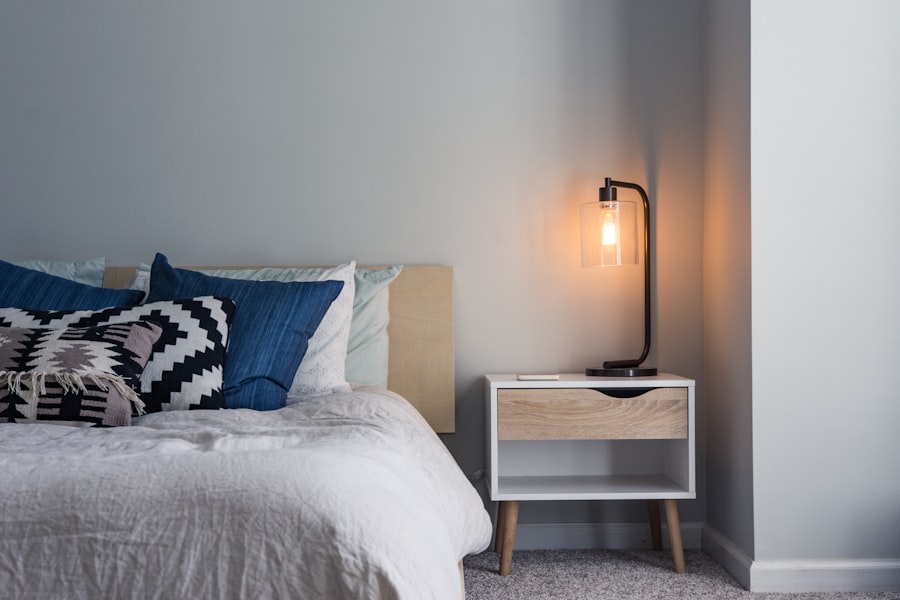
Lighting is arguably the most transformative element in bedroom design, yet it is often the most overlooked. The right lighting scheme creates atmosphere, supports functionality, and enhances the beauty of every other design choice you have made. Poor lighting, on the other hand, can make even a beautifully decorated bedroom feel flat and uninviting. This guide walks you through the three essential layers of bedroom lighting and how to combine them for a space that feels magical. For a serene setting, read about our serene bedroom retreat ideas.
Ambient Lighting Sets the Mood
Ambient lighting is the general illumination that fills the room. In a bedroom, this should be soft and warm rather than bright and clinical. A central pendant or flush-mount fixture on a dimmer switch gives you control over intensity throughout the evening. Recessed lighting works beautifully when dimmed low, creating an even glow without harsh shadows. Aim for warm color temperatures between 2700K and 3000K — these mimic the warmth of candlelight and encourage relaxation. Always install dimmers; they are the single most impactful lighting upgrade you can make.
Task Lighting for Function
Task lighting serves specific purposes — most commonly reading in bed. Bedside table lamps or wall-mounted sconces with adjustable arms are ideal. Choose fixtures that direct light downward onto your book without illuminating the entire room or disturbing a sleeping partner. The height matters: the bottom of the lampshade should be at eye level when you are sitting up in bed. For vanity or dressing areas, place task lights at face level on either side of the mirror to eliminate shadows and provide even, flattering illumination.
Accent Lighting Adds Drama
Accent lighting highlights architectural features, artwork, or decorative elements. LED strip lighting behind a headboard creates a soft halo effect that is both dramatic and soothing. Picture lights above artwork add gallery-quality focus. Candles, while not electric, provide the ultimate accent lighting with their flickering warmth and gentle fragrance. Consider placing a small lamp on a dresser or in a corner to create depth and visual interest. Accent lighting works best when subtle — it should enhance the atmosphere without becoming the focus.
Smart Controls and Automation
Modern lighting control systems allow you to program scenes that adjust multiple lights simultaneously. A bedtime scene might dim the overhead light to twenty percent, turn on bedside lamps, and activate LED strips behind the headboard. Smart bulbs controlled by voice or app eliminate the need to get out of bed to adjust lights. Consider motion-activated nightlights along the path to the bathroom for safety without full illumination. These technologies add convenience that supports your natural sleep and wake rhythms beautifully.
Great bedroom lighting is about layers, warmth, and control. Master these three principles and you will create a bedroom atmosphere that adapts perfectly to every moment of your evening routine.
Frequently Asked Questions
- What color temperature is best for bedroom lighting?
- Warm white between 2700K and 3000K is ideal for bedrooms. This color temperature promotes relaxation and melatonin production, helping you wind down naturally before sleep.
- Are LED lights good for bedrooms?
- Yes, LED lights are excellent for bedrooms when you choose warm color temperatures and dimmable options. They are energy-efficient, long-lasting, and available in a wide range of styles.