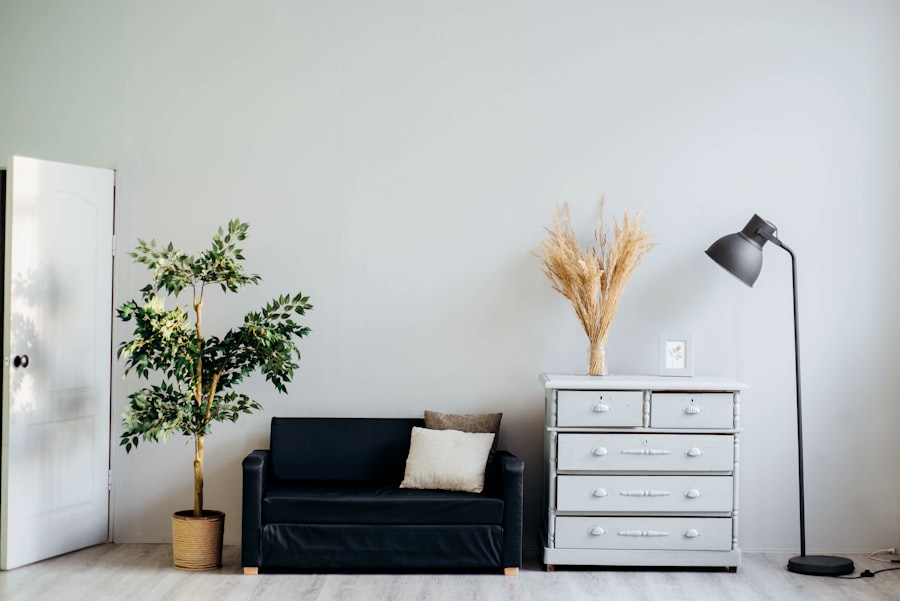
Your entryway is the first and last space you experience each day, yet it often becomes a dumping ground for shoes, coats, bags, mail, and miscellaneous items. An organized entryway does more than look tidy — it streamlines your morning routine, prevents the frantic search for keys, and creates a calming transition between the outside world and your home. Whether you have a generous mudroom or a narrow hallway, these organization tips will help you create an entry that is both functional and beautifully welcoming. For styling elements, see our Japandi style home decor ideas.
Establish Drop Zones
The key to entryway organization is creating designated spots for the items that pass through this space daily. A small tray or dish for keys and change, a wall-mounted rack for coats and bags, and a specific spot for mail prevents the scatter that leads to clutter. Mount hooks at appropriate heights — adult height for coats, lower hooks for children's backpacks. A slim console table or floating shelf provides surface space for these drop-zone items without consuming too much floor area. When every item has a home, maintaining order becomes automatic rather than effortful.
Shoe Storage Solutions
Shoes are typically the biggest entryway clutter offender. A storage bench with cubbies beneath provides seating for putting on and removing shoes while keeping footwear contained and hidden. Alternatively, a slim shoe cabinet that tilts open accommodates multiple pairs in minimal floor space. In mudroom-style entries, a boot tray protects floors from wet and dirty footwear. Limit entryway shoes to those currently in season and regularly worn — store extras in bedroom closets. A household rule of removing shoes at the door keeps both your entry and your home cleaner overall.
Mail and Paper Management
Piled mail is visual clutter that creates mental stress. Install a wall-mounted mail sorter with three sections: action needed, to file, and to recycle. Process mail daily — it takes only two minutes. Immediately recycle junk mail before it enters the house. Keep a small recycling bin near the entry for this purpose. Switch to digital billing and subscriptions wherever possible to reduce incoming paper. For families, individual mail slots or folders ensure each person's correspondence reaches them. This simple system prevents paper from accumulating and keeps your entryway surfaces consistently clear.
Seasonal Adaptation
Your entryway needs change with the seasons, and your organization system should adapt accordingly. In winter, ensure space for bulky coats, scarves, gloves, and wet boots — a boot tray and extra hooks handle the increased load. In summer, swap heavy coat storage for lighter jacket hooks and add a basket for sunglasses and sunscreen. Rotate seasonal items quarterly, storing off-season gear in closets or bins. A small umbrella stand serves rainy seasons elegantly. By proactively adapting your entryway setup to seasonal needs, you prevent the buildup that happens when one season's items linger into the next. Read more on establishing deep routines in decluttering room by room.
An organized entryway is a small investment with outsized daily returns. Create systems that work for your specific household, and enjoy coming home to a space that greets you with calm and order.
Frequently Asked Questions
- How do I organize an entryway with no closet?
- Use a wall-mounted coat rack, slim console table, and shoe bench to create entryway functions without a closet. Hooks, floating shelves, and over-the-door organizers maximize vertical wall space effectively.
- What are the essentials for entryway organization?
- The core essentials are hooks for coats and bags, a key tray or holder, shoe storage of some kind, and a mail sorting system. A mirror and small catch-all basket round out the functionality nicely.