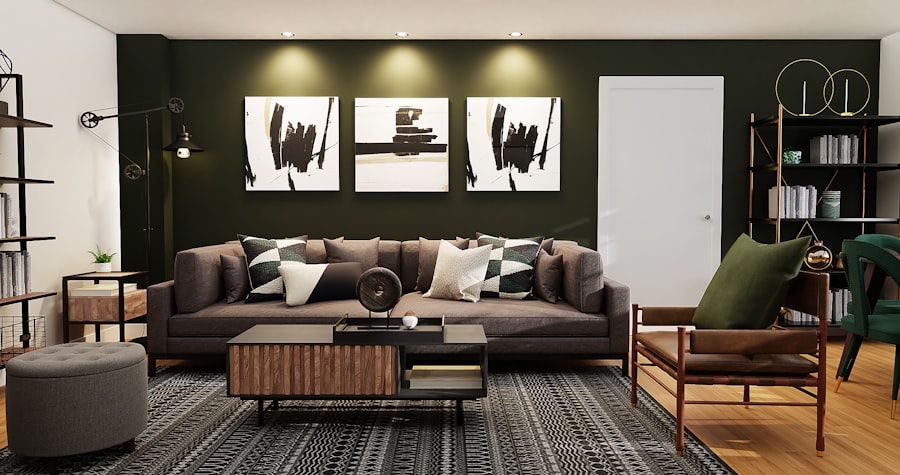
Japandi is the harmonious fusion of Japanese minimalism and Scandinavian functionalism — two design philosophies that share remarkable common ground despite originating thousands of miles apart. Both traditions value simplicity, natural materials, craftsmanship, and intentional living. Where they diverge creates the style's unique appeal: Japanese design brings wabi-sabi's embrace of imperfection and darker, moodier tones, while Scandinavian design contributes hygge's warmth and lighter, brighter palettes. Together, they create spaces that are serene, warm, and deeply intentional. Expand these principles into your washroom with our spa-inspired bathroom design concepts.
The Shared Philosophy
At their core, both Japanese and Scandinavian design ask the same fundamental question: what do you truly need? Both cultures developed minimalist approaches out of practical necessity — limited resources demanded careful, intentional choices about what to bring into the home. Both prize craftsmanship over mass production, natural materials over synthetic alternatives, and quality over quantity. This shared philosophy creates a natural compatibility that makes Japandi feel authentic rather than forced. It is not simply combining aesthetic elements but embracing a way of living that both cultures have refined over centuries of practice.
Material Palette and Colors
Japandi interiors feature a nuanced palette that blends Nordic lightness with Japanese depth. Walls tend toward warm whites or soft, earthy neutrals rather than stark white. Furniture combines light Scandinavian woods like ash and birch with darker Japanese-influenced tones in walnut and cherry. The color palette is muted and natural: soft grays, warm beiges, charcoal, forest green, and indigo appear through textiles and ceramics. Black is used more liberally than in pure Scandinavian design, adding contrast and definition. The overall effect is calm, sophisticated, and grounded in nature's own color vocabulary.
Wabi-Sabi Meets Hygge
The Japanese concept of wabi-sabi — finding beauty in imperfection and impermanence — adds depth to Scandinavian hygge's pursuit of cozy contentment. In practice, this means choosing handmade ceramics with irregular glazes, embracing the natural grain variations in wood, and appreciating the patina that develops on leather and brass over time. A wabi-sabi hygge home features a handmade pottery mug for morning coffee, a linen throw with beautifully frayed edges, and a wooden bowl that bears the marks of use. These imperfections are not flaws — they are evidence of a life well lived.
Creating Japandi Spaces
To create a Japandi interior, start with a clean, uncluttered foundation. Choose low-profile furniture with clean lines — a platform bed, a low coffee table, floor cushions for casual seating. Mix light and dark woods for visual interest. Add organic textures through linen, wool, rattan, and paper. Incorporate indoor plants, particularly species with architectural forms like fiddle-leaf figs or Japanese maples. Keep decorative objects minimal but meaningful — a single branch in a ceramic vase, a stack of handmade bowls, or a collection of natural stones. Every item should contribute to the room's sense of purposeful calm. Follow similar curation advice outlined in decluttering room by room.
Japandi proves that the best design transcends borders. By combining Japanese serenity with Scandinavian warmth, you create spaces that feel universally calming and authentically beautiful in their quiet intention.
Frequently Asked Questions
- Is Japandi a passing trend or a lasting style?
- Japandi is rooted in enduring design philosophies from both Japanese and Scandinavian traditions, not superficial trends. Its emphasis on quality, craftsmanship, and intentional living ensures lasting relevance beyond short-lived fads.
- How do I start decorating in Japandi style?
- Begin by decluttering and simplifying your space. Add natural materials like wood and linen, incorporate handmade ceramic pieces, choose low-profile furniture, and limit your color palette to warm neutrals with dark accents.