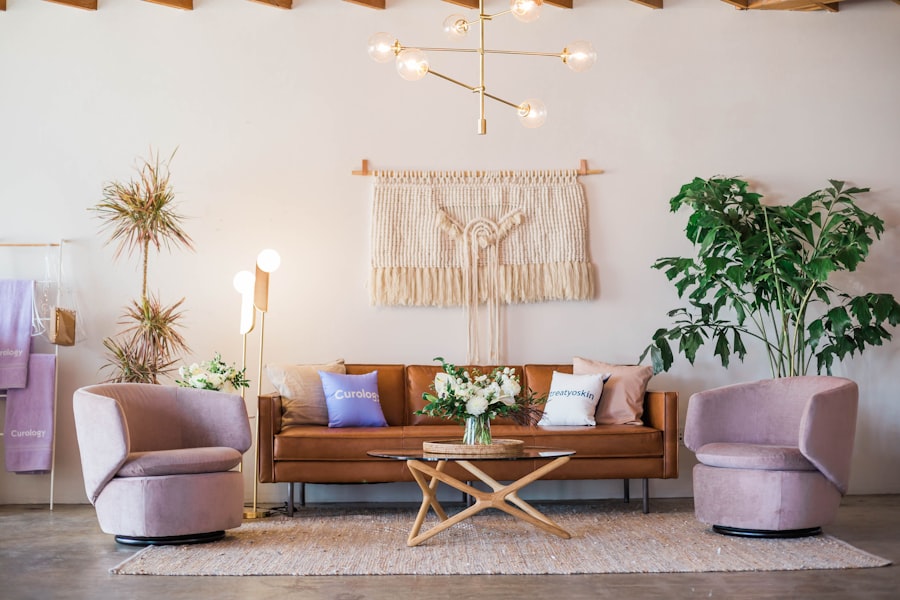
Scandinavian interior design emerged from the Nordic countries where long, dark winters demanded interiors that maximize light, warmth, and well-being. The result is a design philosophy that prizes simplicity, functionality, and a deep connection to nature — creating spaces that feel bright, calm, and genuinely comforting. Scandinavian design is not just a visual style; it is an approach to living that values quality over quantity and beauty in everyday objects. Here are the core principles to bring this beloved aesthetic into your home. See how it intersects with industrial chic decorating as well.
Light Is Everything
In Scandinavian design, maximizing natural light is the foundational principle. Walls are typically painted in bright white or the palest warm neutrals to reflect every ray of available light. Window treatments are minimal — sheer curtains or none at all. Mirrors are placed strategically to bounce light deeper into rooms. When natural light fades, layered artificial lighting takes over: overhead fixtures, table lamps, floor lamps, and candles create a warm, golden glow that combats the darkness. This thoughtful approach to light creates homes that feel luminous and welcoming regardless of the weather or season outside.
Natural Materials and Craftsmanship
Scandinavian interiors celebrate the beauty of natural materials: light-toned woods like birch, ash, and pine; wool and linen textiles; leather and sheepskin; ceramic and glass. These materials connect the interior to the natural landscape outside and bring warmth to the clean, light palette. Craftsmanship is deeply valued — objects should be well-made, functional, and beautiful in their simplicity. A handcrafted wooden bowl, a thoughtfully designed lamp, or a quality woolen throw exemplifies the Scandinavian belief that everyday objects deserve to be beautiful and well-made rather than disposable and forgettable.
Hygge: The Art of Coziness
Hygge — the Danish concept of cozy contentment — is central to Scandinavian interior design. It is about creating spaces that foster togetherness, warmth, and simple pleasures. Soft throws on every seating surface, candles flickering on windowsills, a reading nook with a plush cushion — these elements create an atmosphere of hygge. The living room is often arranged to encourage conversation, with seating grouped around a low table rather than oriented toward a television. Hygge is not about perfection; it is about creating an environment where people feel relaxed, welcome, and at peace with themselves. Emphasize comfort with cozy living room color palettes.
Functional Minimalism
Scandinavian minimalism differs from stark, cold minimalism. Every item in a Scandinavian home serves a purpose — either functional or emotional — but nothing is included merely for decoration's sake. Storage is thoughtful and abundant, keeping surfaces clear while ensuring everyday items are easily accessible. Furniture is selected for both beauty and utility, with designs that are comfortable and practical as well as aesthetically pleasing. This functional approach to minimalism creates homes that feel effortless and uncluttered while remaining warm, inviting, and perfectly suited to real daily life.
Scandinavian design teaches us that the most beautiful spaces are those designed for living well — where light, warmth, and simplicity create an atmosphere of genuine contentment and ease.
Frequently Asked Questions
- What is the difference between Scandinavian and minimalist design?
- While both emphasize simplicity, Scandinavian design prioritizes warmth and coziness (hygge) through natural materials and soft textures, whereas minimalism can be more austere and less concerned with comfort.
- What colors are used in Scandinavian design?
- The core palette is white and light neutrals, accented with soft pastels like dusty pink, sage green, or powder blue. Natural wood tones provide warmth, and black is used sparingly for contrast.