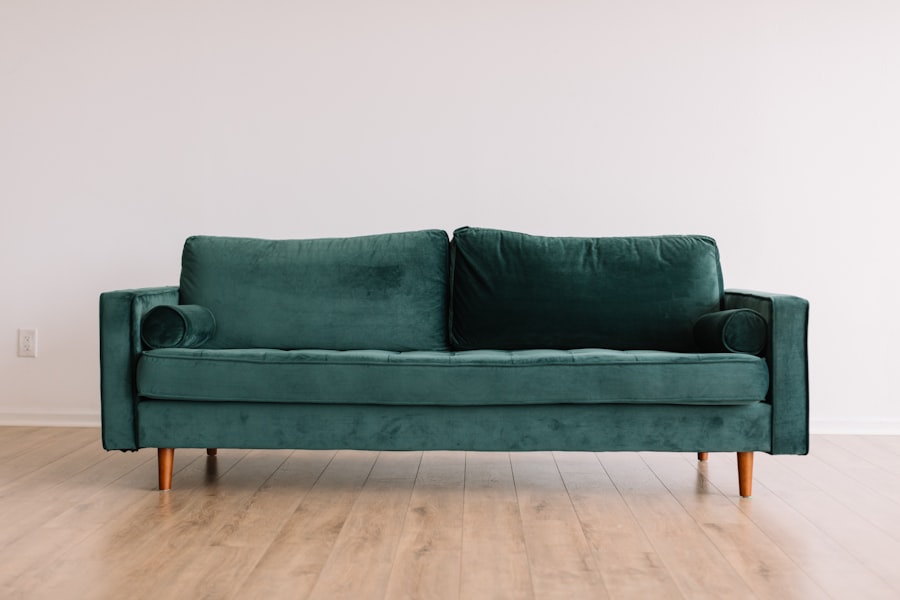
Minimalism is not about having less — it is about making room for more of what matters. A minimalist living room focuses on quality over quantity, choosing each piece with intention. The result is a space that feels open, calm, and effortlessly stylish. Here are the essentials you need to achieve that clean, curated aesthetic without sacrificing comfort or personality. Find out more about living room ideas in our dedicated category.
Start With a Quality Sofa
The sofa is the anchor of any living room, and in a minimalist space it becomes even more important. Choose a clean-lined sofa in a neutral tone — think warm white, soft gray, or light beige. Look for durable fabrics like linen or performance cotton that age gracefully. Avoid ornate details or busy patterns; instead, let the silhouette speak for itself. A well-made sofa with simple cushions creates an inviting focal point without visual clutter, and investing in quality here means the piece will last for years to come. For tips on arranging this focal point, read our small living room layout tips.
Choose Functional Furniture
Every piece of furniture in a minimalist living room should earn its place. A sleek coffee table with hidden storage, a media console with clean lines, and a single statement armchair are often all you need. Natural materials like solid wood, marble, or brushed metal add warmth and texture without competing for attention. Consider pieces that serve multiple purposes — a storage ottoman or a nesting table set gives you flexibility while keeping the visual footprint small and intentional. Learn more about selecting impactful items in our guide to statement furniture living rooms.
Master the Art of Negative Space
One of the most powerful tools in minimalist design is what you leave out. Resist the urge to fill every corner or wall. Negative space — the empty areas around and between objects — gives the eye a place to rest and makes your chosen pieces stand out. Leave breathing room between furniture, keep surfaces mostly clear, and limit wall art to one or two impactful pieces. This restraint is what separates a minimalist room from one that simply feels empty.
Add Warmth With Texture
Minimalism does not mean cold or sterile. Layer in warmth through texture: a chunky knit throw draped over the sofa, a natural jute rug underfoot, linen curtains filtering soft light. These tactile elements add depth and coziness to a pared-back palette. Potted plants are another excellent addition, bringing organic shapes and life into the space. The key is choosing textures that complement each other in tone while providing sensory variety throughout the room.
A minimalist living room is a daily reminder that beauty lies in simplicity. By investing in quality essentials and embracing negative space, you create a home that feels both refined and deeply livable. If you are decorating on a budget, explore our guide on how to save money in home decor for more inspiration.
Frequently Asked Questions
- What colors work best for a minimalist living room?
- Neutral tones like white, beige, soft gray, and warm taupe form the ideal minimalist palette. You can add depth with natural wood tones and subtle black accents for contrast.
- How do I keep a minimalist room from feeling cold?
- Layer in natural textures like wool throws, linen pillows, jute rugs, and houseplants. Warm lighting and organic materials prevent minimalist spaces from feeling sterile.