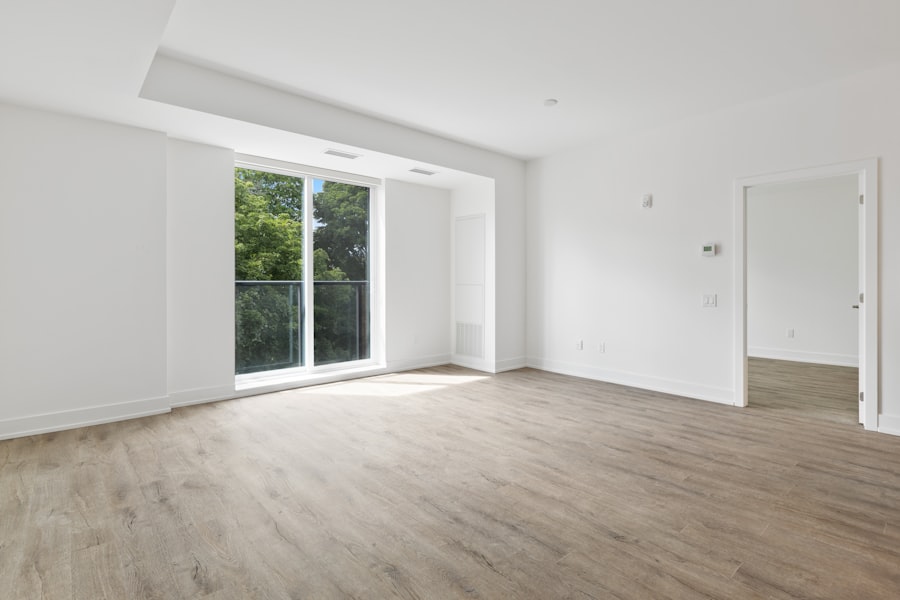
Living in a small space does not mean living without style. In fact, smaller living rooms often inspire the most creative and intentional design solutions. The key is understanding how furniture placement, scale, and visual tricks can make a compact room feel open and functional. These layout tips will help you transform your small living room into a space that feels surprisingly spacious while accommodating everything you need for daily comfort. To organize further, consider reading about home organization.
Float Your Furniture
One of the most common mistakes in small rooms is pushing all furniture against the walls. Instead, try floating your sofa and chairs slightly away from the walls to create the illusion of more space. Even a few inches makes a difference, as it creates visual breathing room and makes the layout feel more intentional. A small console table behind a floated sofa can add storage without taking up floor space. This approach creates defined conversation areas that feel cozy rather than cramped.
Choose the Right Scale
Oversized furniture overwhelms a small room, but furniture that is too small can make the space feel disjointed and awkward. The goal is finding pieces proportional to your room. A slim-profile sofa with exposed legs creates an airy feel while a compact round coffee table keeps traffic flow open. Armless chairs and transparent acrylic side tables reduce visual weight significantly. Measure your room carefully before purchasing and consider how each piece relates to the others in scale and proportion.
Use Vertical Space Wisely
When floor space is limited, look up. Tall bookshelves, wall-mounted storage, and high-hung curtains draw the eye upward and create the impression of higher ceilings. Install floating shelves above seating for books and decor, and choose floor-to-ceiling curtains even if your windows are small — this elongates the walls beautifully. A tall, narrow floor lamp is more space-efficient than a table lamp that requires surface area. Every vertical element you add frees up precious floor space for movement and living.
Create Zones With Rugs and Lighting
In an open-plan or studio setting, use area rugs to define distinct zones within your living room. A rug under the seating area visually anchors the space and separates it from dining or work zones. Layer lighting at different heights — overhead ambient light, a floor lamp for reading, and table lamps for warmth — to create depth and interest. These layers make a small room feel more complex and considered without adding physical bulk or clutter to the space.
Small living rooms reward thoughtful planning with outsized impact. Embrace your room's dimensions, get creative with layout, and discover that constraint is one of design's greatest catalysts.
Frequently Asked Questions
- What sofa style works best in a small living room?
- Slim-profile sofas with exposed legs work best as they create visual lightness. Apartment-sized sofas (around 72 inches) and loveseats offer comfortable seating without overwhelming the space.
- Should I use a large rug or small rug in a small room?
- Use the largest rug you can fit with furniture legs resting on it. A too-small rug makes a room feel fragmented, while a properly sized rug unifies the space and makes it appear larger.