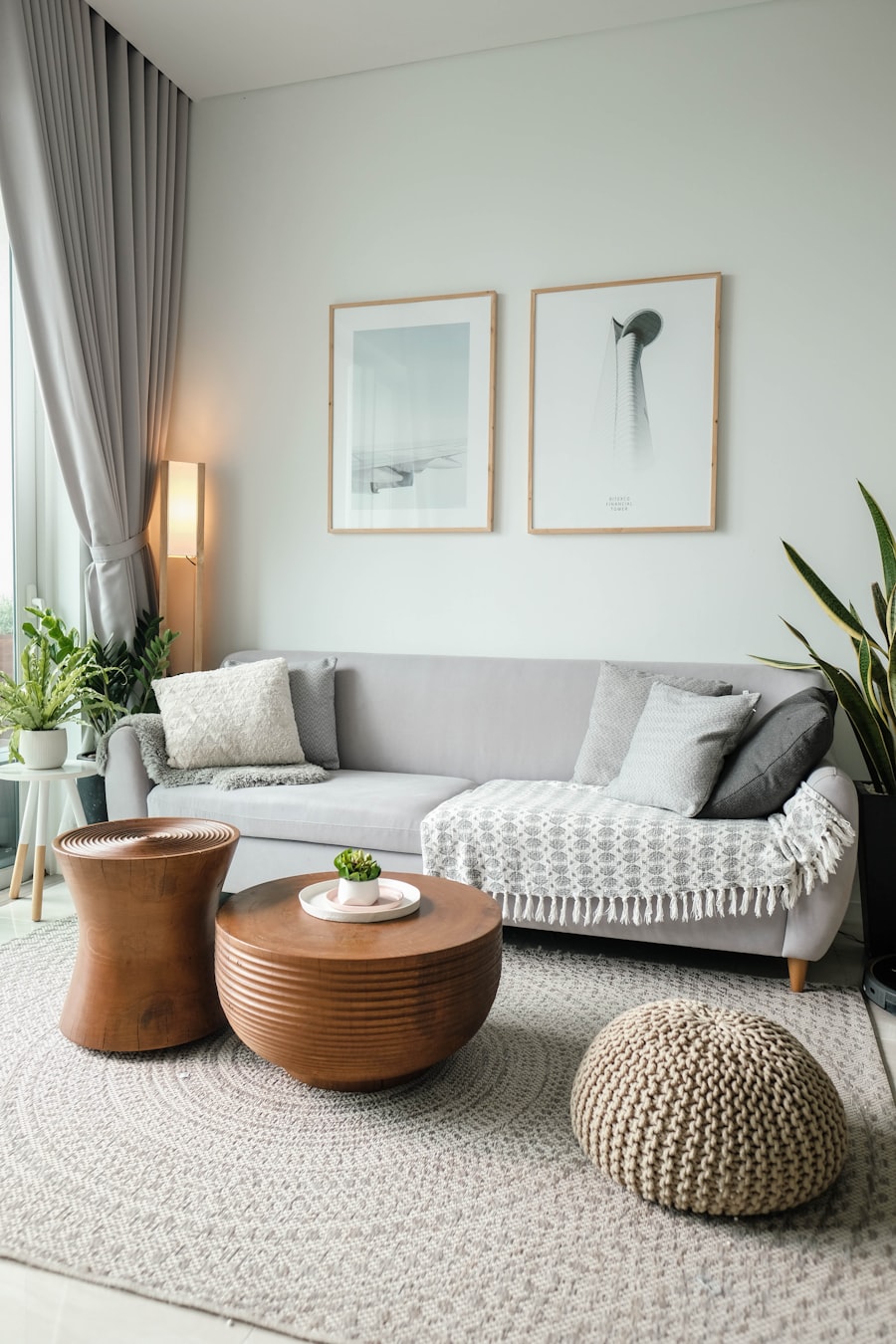
Mid-century modern design — spanning roughly the 1940s through the 1970s — remains one of the most beloved and enduring design movements in history. Its emphasis on clean lines, organic forms, functional beauty, and connection to nature feels as fresh today as it did decades ago. Whether you are furnishing a new home or incorporating mid-century elements into an existing space, understanding the principles behind this iconic style helps you create rooms that are authentic, timeless, and deeply satisfying to inhabit every day. Complement these with our modern decor concepts.
Defining Characteristics
Mid-century modern design is defined by several key principles: clean, uncluttered lines with gentle organic curves; an emphasis on function where every element serves a purpose; extensive use of natural materials including teak, walnut, and leather; integration of indoor and outdoor spaces through large windows and glass walls. Furniture tends to be low-profile with tapered legs that create visual lightness. Ornamentation is minimal — the beauty comes from form, proportion, and material quality. Understanding these core principles helps you make authentic choices rather than simply replicating a look without understanding its philosophy.
Iconic Furniture Pieces
Several furniture designs from this era have achieved genuine icon status and remain in production today. The Eames lounge chair and ottoman combine molded plywood with supple leather for the ultimate reading chair. The Noguchi coffee table features a sculptural base topped with flowing glass. Danish teak credenzas and sideboards offer beautiful storage with sliding doors and tapered legs. While original vintage pieces are collectible, licensed reproductions and inspired designs bring mid-century style within reach at various price points. Invest in one or two statement pieces and let them anchor your room. You can also explore statement furniture for living rooms for a modern focal point.
Color Palettes and Materials
Mid-century palettes often feature warm wood tones as the neutral base, complemented by bold accent colors including mustard yellow, avocado green, burnt orange, and teal. These accent colors appear in upholstery, artwork, and accessories against a backdrop of white or warm neutral walls. Materials are honest and natural: warm-toned woods, molded plywood, leather, wool, and metals like brass and chrome. Avoid overly distressed or rustic finishes — mid-century pieces are refined and well-crafted. The material palette should feel warm but polished, natural but intentional.
Styling Tips for Modern Homes
You do not need an architecturally mid-century home to embrace this style. Start with key furniture pieces — a clean-lined sofa, a walnut media console, or a set of dining chairs with organic forms. Add warmth with a vintage-inspired area rug in bold geometric patterns. Display curated objects on open shelving rather than hiding everything away. Hang abstract artwork or photography in simple frames. Incorporate houseplants generously — mid-century designers celebrated the connection between indoors and nature. Layer in brass lighting fixtures and a few carefully chosen accessories to complete the look with authenticity.
Mid-century modern endures because it honors fundamental design truths: beauty serves function, materials matter, and less truly is more. Embrace these principles and your home will feel timelessly compelling.
Frequently Asked Questions
- What is the difference between mid-century and mid-century modern?
- Mid-century refers to the time period (roughly 1940s-1970s), while mid-century modern specifically describes the design movement characterized by clean lines, organic forms, and functional beauty from that era.
- Can I mix mid-century modern with other styles?
- Absolutely. Mid-century pieces work beautifully with contemporary, Scandinavian, and bohemian styles. The clean lines and natural materials blend harmoniously with many design approaches. Mixing eras adds depth.